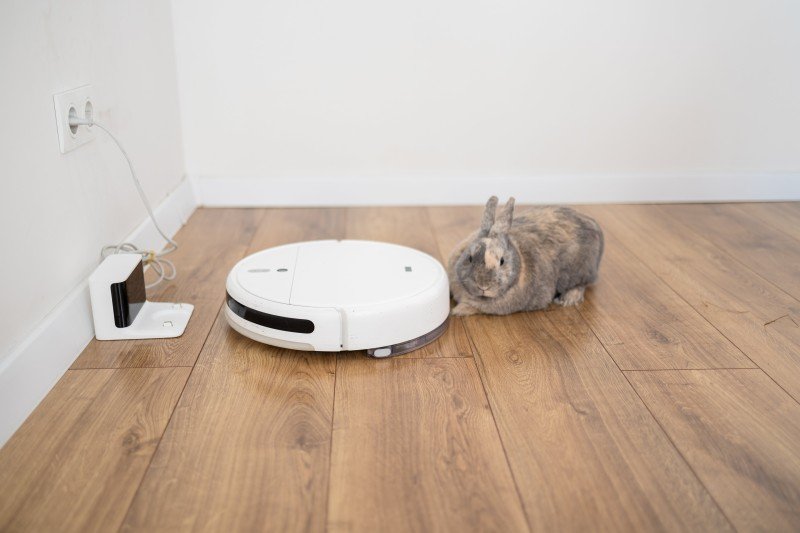
The Rise of Automatic Cleaning Robots: A Comprehensive Guide
In today's fast-paced world, where benefit and performance are critical, automatic cleaning robots have actually emerged as a game-changing technology in family cleaning. These versatile devices not just conserve time however likewise improve the cleanliness of living spaces, making them a vital part of contemporary homes. This article uses an in-depth exploration of automatic cleaning robots, their benefits, how they work, types offered, and necessary factors to consider when selecting one.
What is an Automatic Cleaning Robot?
Automatic cleaning robots, typically referred to as robotic vacuums or floor cleaners, are automated gadgets designed to clean floorings and other surfaces with minimal human intervention. They use numerous innovations to browse through homes, recognize dirt and particles, and successfully tidy surfaces. The arrival of advanced sensors and artificial intelligence has actually propelled these devices into the forefront of smart home technology.
Secret Features of Automatic Cleaning Robots
- Smart Navigation: Many models come geared up with innovative sensing units that allow them to map spaces and prevent obstacles.
- Arranging Options: Users can set specific cleaning times or frequencies to guarantee their spaces are kept clean without constant supervision.
- Multiple Cleaning Modes: Various cleaning modes permit the robot to adjust to various surfaces, from carpets to hardwood floorings.
- App Integration: Several high-end designs can be controlled via mobile phone apps, enabling remote operation and tracking.
- Self-Charging: Most automatic cleaning robots go back to their charging dock independently when their batteries run low.
Benefits of Using Automatic Cleaning Robots
The growing appeal of automatic cleaning robots originates from the myriad advantages they use to users. Below are some of the most significant benefits:
- Time-Saving: Automatic cleaning robots significantly lower the time invested on routine cleaning chores.
- Constant Cleaning: With the ability to arrange cleansings, these robots guarantee that floors stay consistently tidy.
- Convenience: Users can continue with their daily activities while the robot takes care of cleaning, boosting overall performance.
- Access to Hard-to-Reach Areas: The compact design enables robots to clean under furnishings and in other tight areas where traditional vacuums may have a hard time.
- Smart Technology: Many robots incorporate synthetic intelligence, allowing them to learn and adapt to their environment for improved cleaning performance.
Table: Popular Brands and Their Features
| Brand | Design | Navigation Technology | Battery Life | Price Range |
|---|---|---|---|---|
| iRobot | Roomba i7+ | Smart Mapping | 75 minutes | ₤ 600 - ₤ 800 |
| Ecovacs | Deebot Ozmo T8 | Laser Navigation | 180 minutes | ₤ 700 - ₤ 900 |
| Roborock | Roborock S7 | Lidar Navigation | 180 minutes | ₤ 400 - ₤ 600 |
| Neato | D7 Connected | Lidar Navigation | 120 minutes | ₤ 600 - ₤ 700 |
| Eufy | RoboVac L70 | Course Tracking | 120 minutes | ₤ 300 - ₤ 400 |
How Automatic Cleaning Robots Work
Automatic cleaning robots count on a mix of software and hardware technologies to work successfully. Here's a high-level introduction of their functional process:
- Mapping and Navigation: Using sensors, robots produce a map of the cleaning location. Advanced designs use Lidar or video cameras for accurate mapping and challenge avoidance.
- Cleaning Execution: Based on the produced map, the robots methodically navigate the space, utilizing algorithms that determine cleaning patterns to make sure thorough protection.
- Dirt Detection: Many robots are equipped with dirt detection innovation that allows them to determine locations that need more intensive cleaning.
- Bin and Filter Management: The collected particles is stored in a dustbin within the robot. Users need to routinely clear this bin and replace filters to maintain ideal performance.
- Charging: When low on battery, the robots return to their designated charging docks instantly, guaranteeing they are constantly prepared for the next cleaning session.
Kinds Of Automatic Cleaning Robots
Automatic cleaning robots can be found in various types, each created for particular cleaning needs. Here are the most common types:
- Robotic Vacuums: Designed mostly for vacuuming carpets and tough floors. They effectively draw up dust, animal hair, and particles.
- Mopping Robots: These robots not only vacuum but also mop floors, making them perfect for homes with tile or hardwood surfaces that require both types of cleaning.
- 3-in-1 Cleaning Robots: These multifunctional robots integrate vacuuming, mopping, and sweeping capabilities, supplying a thorough cleaning option.
- Specialized Cleaners: Some robots are created for particular tasks, such as swimming pool cleaners or window cleaners, offering targeted options for these areas.
Aspects to Consider When Choosing an Automatic Cleaning Robot
When choosing an automatic cleaning robot, potential purchasers must think about several critical factors to ensure they choose a model that best fits their needs:
- Size of Living Space: Larger spaces might need robots with better battery life and a bigger dustbin.
- Type of Flooring: Consider whether the home has carpets, hardwood, or tiles, as various robots are optimized for different surface areas.
- Animal Ownership: For family pet owners, a robot with strong suction power and hair management functions is necessary.
- Smart Features: Evaluate the significance of app connection and voice control compatibility.
- Budget: Prices for automatic cleaning robots vary commonly, so it's important to find one that fulfills both efficiency and budget requirements.
Frequently Asked Questions (FAQs)
Q1: How typically must I use my automatic cleaning robot?A1: It is suggested to use your robot everyday or numerous times a week, depending on the level of foot traffic and family pet activity in your home. Q2: Can I manage my robot with a mobile phone app?A2: Many modern robots included mobile phone applications that permit push-button control, scheduling, and monitoring of cleaning sessions. Q3: How do I keep my automatic cleaning robot?A3: Maintenance involves routine emptying of
the dustbin, cleaning brushes, and changing filters as suggested by the producer. Q4: Are automatic cleaning robots ideal for homes with several levels?A4: Most robotic vacuums are created for single-level use; nevertheless,
some models can find out and map numerous levels if by hand put on each. Q5: How do I repair if my robot is not working correctly?A5: Consult the user manual, inspect the robot for clogs, make sure sensing units are tidy, and guarantee it is charged. If issues continue, refer
to customer assistance. The development of automatic cleaning robots symbolizes an amazing shift in how households approach cleaning. With their ability to save time, preserve consistent cleanliness, and adapt to numerous living environments, these devices are ending up being necessary for many families. As innovation continues to advance, the future of robotic cleaning looks promising, pushing the limits of convenience even further. When selecting Robot Floor Cleaner , comprehending functions, types, and individual requirements is essential to making a gratifying purchase.